





Die Frist für die Einreichung von Abstracts ist nun abgelaufen.


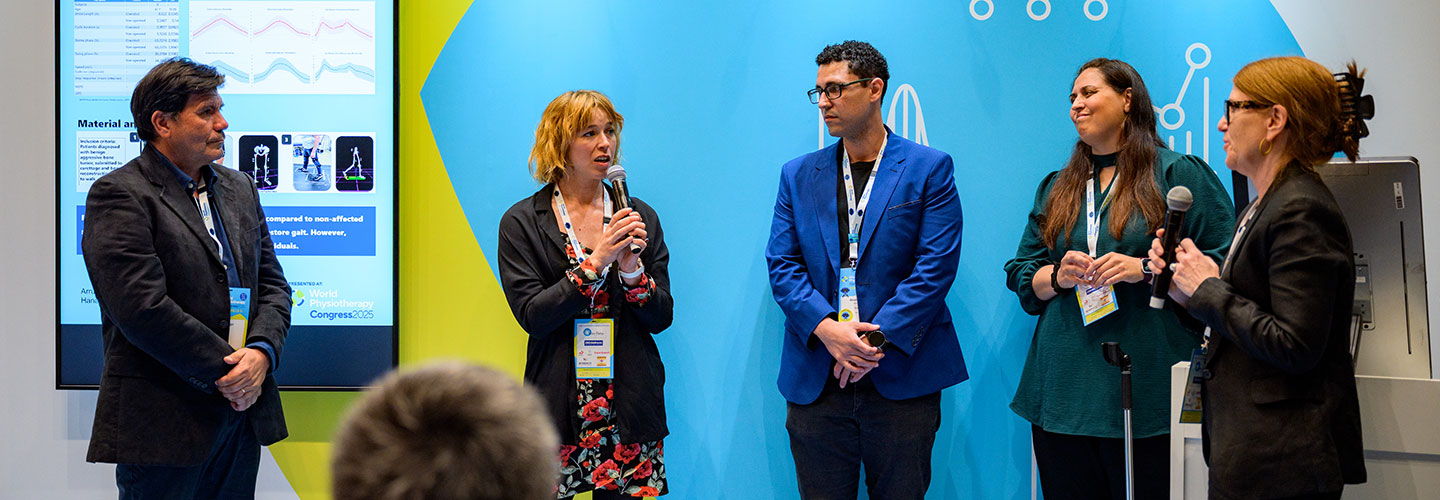
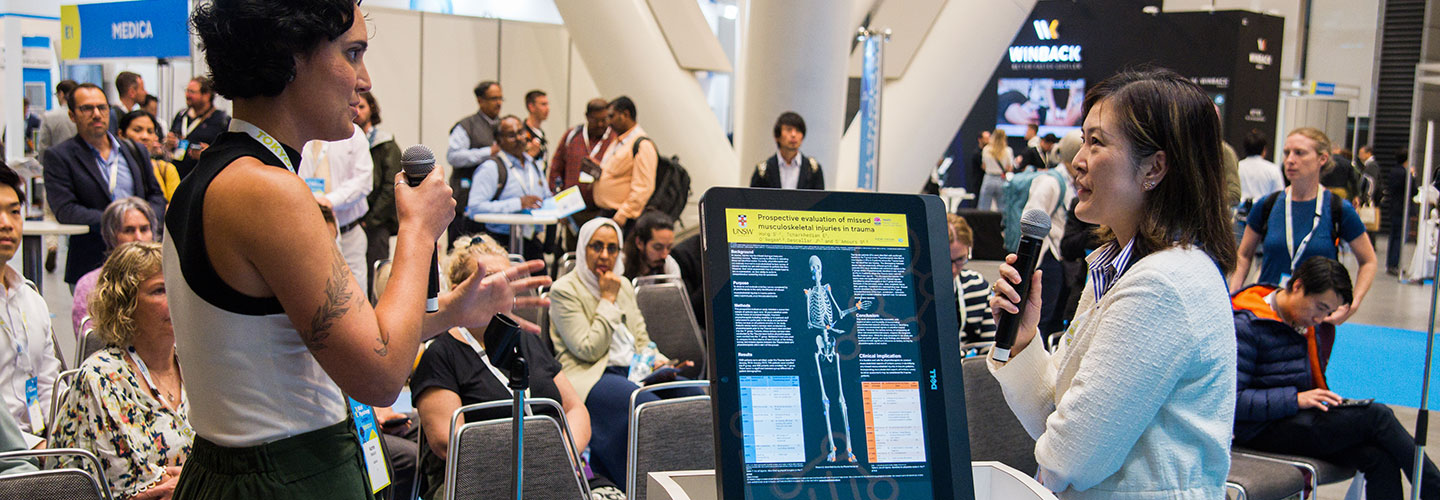

Laden Sie die Richtlinien für den Abstract-Einreichungsprozess herunter und lesen Sie sie durch.

Die eingereichten Abstracts werden derzeit geprüft; Benachrichtigungen werden bis Anfang Januar 2027 erwartet. Werfen Sie einen Blick auf die häufig gestellten Fragen (FAQs) im Abstract.

Durchsuchen Sie das Kongressarchiv, um Abstracts von früheren Weltkongressen für Physiotherapie einzusehen.
Als Nachwuchsforscherin/klinische Physiotherapeutin war die Möglichkeit, eine Posterpräsentation zu halten, äußerst wertvoll – ich kann jedem Physiotherapeuten nur wärmstens empfehlen, sich auf jedem Niveau an der Forschung zu beteiligen – sehen Sie, wohin es Sie bringen kann, in meinem Fall nach Tokio!
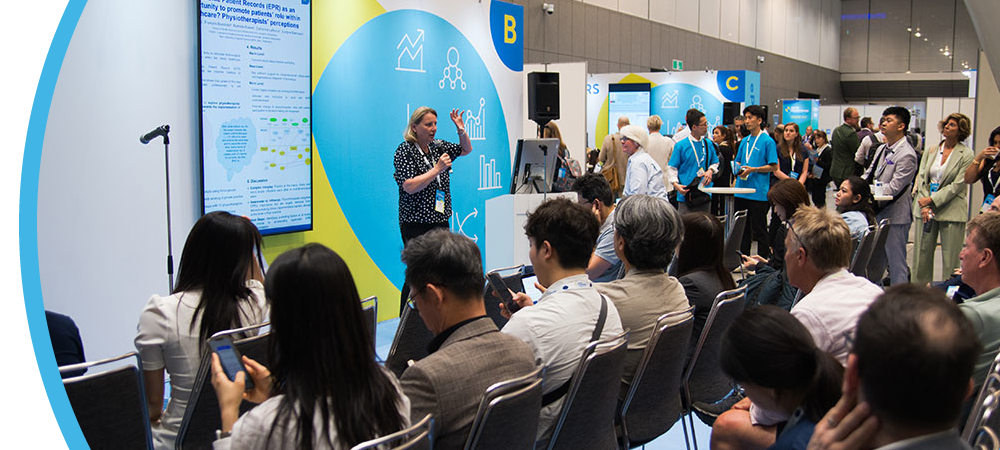

Es werden Abstracts erbeten, die Folgendes beinhalten:
- Der Bericht soll die neuesten Forschungsergebnisse mit Originaldaten präsentieren. Dies kann systematische Reviews, Scoping Reviews, Metaanalysen, Fachberichte und Fallstudien umfassen. Einreichungen mit noch ausstehenden Ergebnissen und Studienprotokollen werden nicht akzeptiert.
- neue und einzigartige Entwicklungen in Praxis, Theorie, Bildung, Management und Politik berücksichtigen
- beschreiben innovative Methoden der Physiotherapie, die an die sich ändernden Bedürfnisse der Praxis angepasst wurden.
Einreichungsfrist: 29. September 2026
Mitteilung des Ergebnisses: Januar 2027
Auswahlkriterien
Die eingereichten Abstracts werden einem anonymen Peer-Review-Verfahren durch internationale Gutachter unterzogen.
Für die Begutachtung der Abstracts werden folgende Grundsätze angewendet:
- Behandelt der Beitrag ein “bedeutendes” oder “wichtiges” Thema?
- Ermöglichen die Methoden/der Ansatz eine strenge Beantwortung der Frage?
- Wurden die Daten/Ergebnisse angemessen präsentiert und interpretiert?
- Sind die Inhalte des Abstracts klar und logisch?

Die Abstracts werden als Plattformpräsentation, mündliches E-Poster oder gedrucktes Poster präsentiert. Plattformpräsentationen und hochgeladene Posterpräsentationen sind nach dem Kongress in Guadalajara auf Anfrage über die Kongressplattform verfügbar.
Bitte beachten Sie: Alle Referenten von Plattformen, mündlichen E-Postern und gedruckten Postern müssen persönlich am Kongress teilnehmen.
Plattformpräsentationen
Für jede Plattformpräsentation ist eine Dauer von sieben Minuten plus drei Minuten für die Diskussion vorgesehen.
Poster
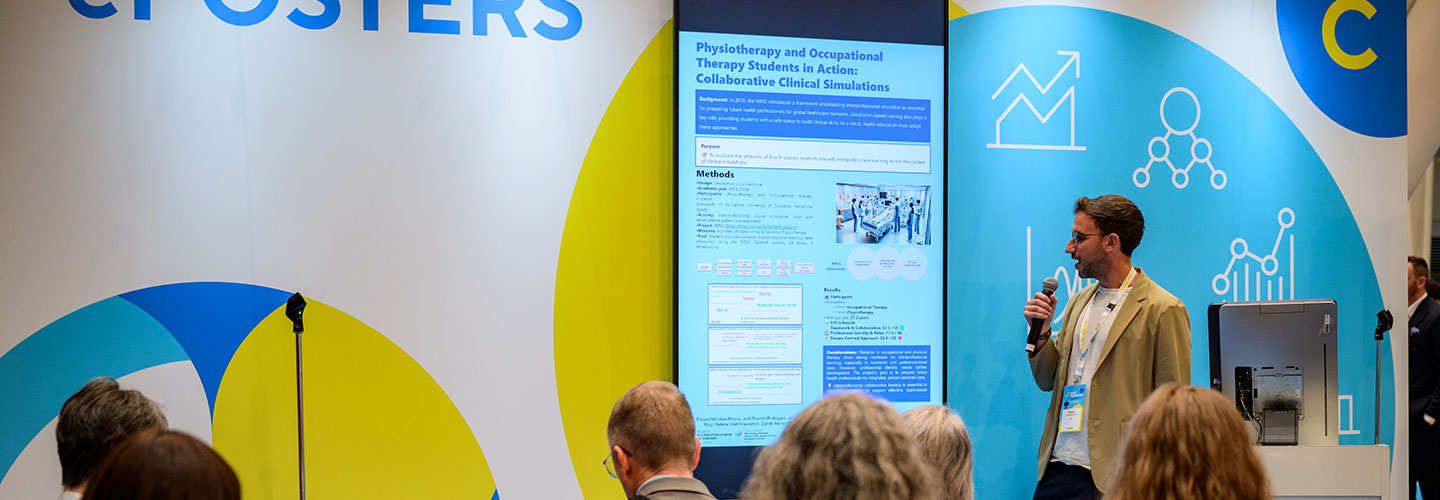
- Mündliche ePoster-Präsentationssitzungen Die Vorträge werden im Programm nach Themen geordnet. Jeder Vortragende hat insgesamt fünf Minuten Zeit, sein E-Poster mithilfe von Bildschirmen mit den Teilnehmenden zu besprechen. Die Moderatoren leiten die Diskussionen zwischen Publikum und Vortragenden.
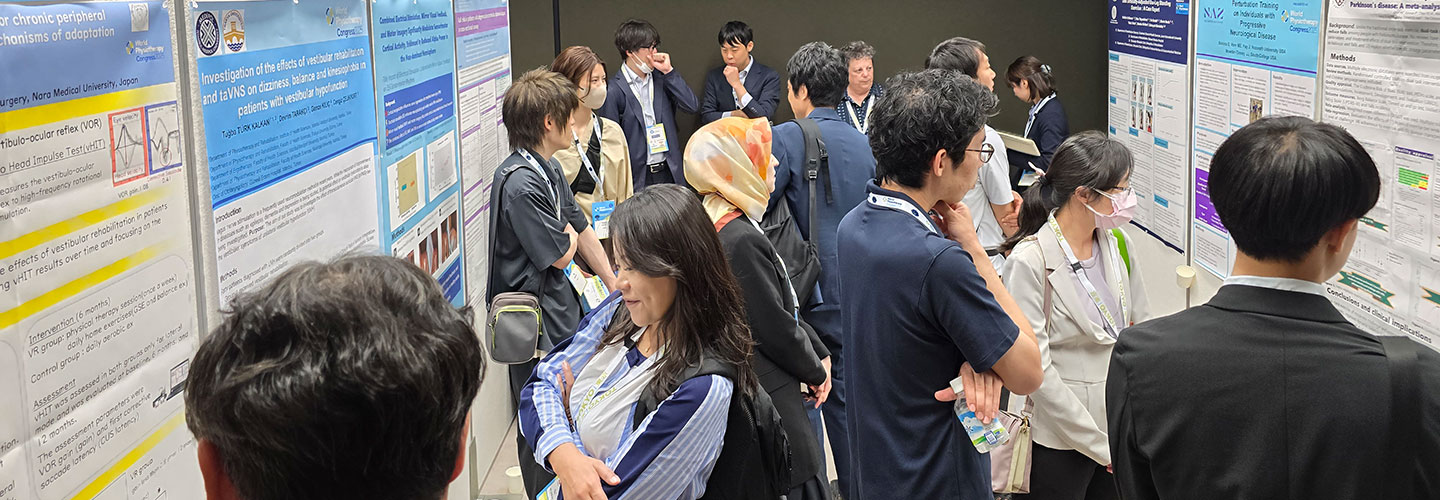
- Präsentationssitzungen mit gedruckten Postern Die Präsentation findet im Posterbereich statt. Die gedruckten Poster sind thematisch gruppiert. Die Autoren erhalten während des Programms eine festgelegte Präsentationszeit mit anschließender Diskussion mit den Teilnehmenden. Aufgrund der begrenzten Fläche ist nur eine begrenzte Anzahl an Postern aufstellbar.
Wichtig, bitte beachten Sie: Die Programmkomitees des Kongresses (CPC) betrachten Vorträge, mündliche E-Poster-Präsentationen und gedruckte Poster als gleichwertig und bewerten sie nach denselben Kriterien. Einreichende können zwar ihr bevorzugtes Format (Vortrag, mündliches E-Poster oder gedrucktes Poster) angeben, die Zuteilung der Abstracts zu den einzelnen Sessions erfolgt jedoch durch das CPC. Sollten deutlich mehr Anfragen für Vorträge eingehen als Plätze im Programm vorhanden sind, wird den Einreichenden gegebenenfalls die Option eines mündlichen E-Posters oder eines gedruckten Posters angeboten.
Die Entscheidung darüber, welches Format einem Abstract zugewiesen wird, liegt beim CPC.
Erfahren Sie mehr über die Einreichung Ihres Abstracts.
Die gesamte Korrespondenz erfolgt mit der Person, die das Abstract online einreicht. Der präsentierende Autor muss nicht der im Abstract zuerst genannte Autor sein und wird im Rahmen des Einreichungsprozesses ermittelt.
Das Online-Einreichungsformular bietet Platz (begrenzt durch Zeichen/Wörter) für die Dateneingabe; die verfügbare Zeichen-/Wortanzahl ist unten angegeben.
Sie werden gebeten, Folgendes anzugeben:
- Titel des Abstracts [maximal 20 Wörter].
- Vollständiges Abstract [maximal 500 Wörter]. Die Abstracts werden im Kongressbericht veröffentlicht und müssen gemäß den unten stehenden Überschriften strukturiert sein.
- Hintergrund: Was ist der Kontext der Studie oder des Projekts? Warum ist er wichtig? (Hinweis: Ein Projekt kann eine Forschungsstudie oder die Entwicklung eines neuen oder angepassten Programms, einer Methode oder Theorie sein).
- Zweck: Was ist das Hauptziel der Studie oder des Projekts? Gibt es Nebenziele?
- Methoden: Welche Prinzipien, Methoden/methodischen Ansätze und Materialien wurden im Projekt verwendet?
- Ergebnisse: Was sind die wichtigsten Erkenntnisse aus der Analyse?
- Schlussfolgerung(en): Welche Schlussfolgerungen lassen sich aus der Studie bzw. dem Projekt ziehen? Welche Empfehlungen gibt es für zukünftige Arbeiten?
- Implikationen: Welche Auswirkungen hat das Projekt, und wie können die Ergebnisse in die physiotherapeutische Praxis, das Management, die Ausbildung oder die Politik umgesetzt werden?
- Schlüsselwörter: Verwenden Sie bis zu drei Wörter, um Ihre Arbeit zu beschreiben, die das/die Programmthema(en) ergänzen.
- Förderhinweise: Bitte geben Sie alle Förderquellen an, die Ihre Arbeit unterstützt haben. Falls die Arbeit nicht gefördert wurde, geben Sie dies bitte an [maximal 20 Wörter].
- Hauptthema [obligatorisch] zweites und drittes Thema [optional]
- Ethikgenehmigung – (siehe Allgemeine Informationen 11 für Ressourcendokumente) Ein Nachweis der Ethikgenehmigung (Institution und zuständige Kommission sowie Genehmigungsnummer) ist gegebenenfalls erforderlich. Falls keine Ethikgenehmigung erforderlich war, geben Sie bitte den Grund dafür an. Im Allgemeinen ist eine Ethikgenehmigung nicht erforderlich für Arbeiten, die keine menschlichen oder tierischen Probanden einbeziehen.
- behandelt neue und einzigartige Entwicklungen in Praxis, Theorie, Bildung, Management, Politik und Ressourcen.
- beschreibt innovative Wege, wie etablierte Methoden an die sich ändernden Bedürfnisse der Praxis angepasst wurden.
- ist eine systematische Übersichtsarbeit.
Bitte geben Sie in diesen Fällen N/A für Institution und Ethikkommission an und vervollständigen Sie die Begründung, warum keine Ethikgenehmigung erforderlich war, und geben Sie dabei so viele Details wie möglich an [250 Wörter].
- Angaben zum Referenten, einschließlich Kontakt-E-Mail-Adresse, Biografie [200 Wörter] und Profilbild des präsentierenden Autors.
- Angaben zum Mitautor und zum einreichenden Autor, einschließlich Kontakt-E-Mail-Adresse.
- Informationen zu etwaigen Präsentationen oder Veröffentlichungen der Arbeit vor dem Kongress [50 Wörter].
- Bevorzugtes Präsentationsformat.
- Die Kongresssprache ist Englisch, und alle Vorschläge und Präsentationen müssen auf Englisch verfasst sein. Um die Präsentationen so barrierefrei wie möglich zu gestalten, wird gegebenenfalls eine Live-Übersetzung mittels KI-Tools angeboten.
- Für jeden vorgeschlagenen Vortrag muss eine schriftliche Zusammenfassung in englischer Sprache eingereicht werden.
- Es liegt in der Verantwortung des Autors, ein korrektes Abstract einzureichen. Rechtschreib-, Grammatik- oder wissenschaftliche Fehler werden unverändert übernommen.
- Die ausgewählten Themen dienen als Grundlage für die Überprüfung, Auswahl und Programmierung. Bitte wählen Sie die gewünschten Themen aus der folgenden Liste aus: Liste der Einreichungsthemen die das Thema Ihres Abstracts am besten beschreiben und die richtige Zielgruppe zur Interaktion anregen.
- Eine Person kann nur gegenwärtig maximal zwei Abstracts. Sie können als präsentierende Autoren auf mehreren Publikationen genannt werden. Einreichungen aber nur als der bestätigt werden darf präsentierender Autor An zwei akzeptiert Änderungen des präsentierenden Autors in angenommenen Abstracts sind zulässig. Der Autor kann in anderen Abstracts als Co-Autor genannt werden. Dies gilt nicht für Einreichungen, die im Rahmen des Aufrufs zu thematischen Symposien eingereicht und angenommen wurden.
- Nur eins Pro Einreichung ist ein präsentierender Autor zulässig. Nur ein Autor darf das Abstract präsentieren. Ist kein Autor vor Ort verfügbar, wird das Abstract zurückgezogen. Änderungen des präsentierenden Autors müssen World Physiotherapy direkt mitgeteilt werden. Änderungen werden, sofern ausreichend Zeit vorhanden ist, in das endgültige Programm aufgenommen; danach sind keine weiteren Änderungen mehr möglich.
- Die Benachrichtigung über das Ergebnis wird dem Einreicher zugesandt. Bitte beachten Sie, dass nur die Person, die das Abstract einreicht, Korrespondenz bezüglich des Abstracts erhält und dafür verantwortlich ist, alle Autoren über den Status des Abstracts zu informieren.
- Alle Präsentationen müssen Originalarbeiten beschreiben, zu denen alle aufgeführten Autoren einen wesentlichen Beitrag geleistet haben. Jegliche Bezugnahme auf persönliche Erfahrungen muss klar als solche gekennzeichnet werden.
- Alle Vorschläge und Präsentationen müssen eine wertschätzende und menschenorientierte Sprache verwenden. Personen dürfen nicht aufgrund ihrer Behinderung oder Erkrankung erwähnt werden, und Begriffe, die in irgendeiner Weise als voreingenommen oder diskriminierend aufgefasst werden könnten, sind zu vermeiden (z. B. “Person mit einem Schlaganfall” statt “Schlaganfallpatienten”). Siehe: disabilityisnatural.com/people-first-language.html Für weitere Informationen und Beispiele.
- Jegliche Finanzierungs- oder Unterstützungsquellen für die vorgestellte Arbeit sollten angegeben werden.
- Alle Präsentationen, die Forschungsergebnisse an Menschen (Patienten, Angehörigen, Studierenden, Dozenten, Mitarbeitern, Kollegen) oder Tieren beinhalten, müssen den Nachweis erbringen, dass die Forschung ethisch korrekt durchgeführt wurde (z. B. Genehmigung durch die Ethikkommission, Einwilligung der Studienteilnehmer). Um zu überprüfen, ob Ihre Forschung den ethischen Grundsätzen entspricht, lesen Sie bitte die folgenden Informationen: Ethische Aspekte der Forschung [1] Dokument. Siehe auch die globalen internationalen Standards.[2]
Der CPC erwartet, dass die Forschung in Übereinstimmung mit internationalen ethischen Grundsätzen durchgeführt wurde. - Bei jeder Einreichung eines Abstracts muss angegeben werden, ob das Material vor dem Welt-Physiotherapie-Kongress 2027 bereits in irgendeiner Form veröffentlicht wurde oder wird oder auf einer anderen nationalen oder internationalen Tagung präsentiert wurde.
Abstracts werden nur dann berücksichtigt, wenn es unwahrscheinlich ist, dass sie in ihrer vorherigen Präsentation oder Veröffentlichung ein breiteres internationales Publikum aus dem Bereich der Physiotherapie erreicht haben, und wenn die Autoren die Verantwortung für die Bereitstellung aller für die Aufnahme in den Kongressbericht oder andere Kongressveröffentlichungen erforderlichen Urheberrechtsfreigaben übernehmen. - Der Autor, der den Vortrag hält, muss sich persönlich für den Kongress anmelden und zum geplanten Zeitpunkt für die Teilnahme am Programm zur Verfügung stehen.
- Die Terminplanung aller Präsentationen erfolgt durch das CPC, um eine optimale Abstimmung mit dem Gesamtprogramm des Kongresses zu gewährleisten. Wünsche nach bestimmten Terminen und Uhrzeiten können nicht berücksichtigt werden. Ähnliche Abstracts aus verwandten Themenbereichen werden für die Präsentation zusammengefasst.
- In allen Kongressräumen stehen PowerPoint-Präsentationsmöglichkeiten zur Verfügung.
- Der/Die Vortragende erklärt sich damit einverstanden, im Falle einer Annahme des ePosters zur Präsentation eine PDF-Datei hochzuladen, damit diese nach dem Kongress zu den abrufbaren Inhalten hinzugefügt werden kann.
- Für professionelle Ressourcenmaterialien, einschließlich computerbasierter Programme, Materialien und audiovisueller Präsentationen, wird keine Ausstellungsfläche bereitgestellt. Sämtliche Ressourcen und Materialien müssen von den Autoren selbst entwickelt worden sein und dürfen derzeit weder von den Autoren noch von anderen Anbietern kommerziell vertrieben werden. Falls sie präsentiert werden, müssen sie im Standard-PowerPoint-Präsentations- oder E-Poster-Format vorliegen.
- Die Präsentationen auf der Plattform können aufgezeichnet werden. Aufzeichnungen von PowerPoint-Präsentationen oder online verfügbare Kopien von E-Postern werden im PDF-Format bereitgestellt; die Original-PowerPoint-Dateien werden nicht veröffentlicht. Die Einwilligung wird über das Einreichungssystem eingeholt.
- Es ist den Vortragenden nicht gestattet, für neue Produkte, Geräte oder Organisationen zu werben oder die Präsentationszeit zu nutzen, um Produkte von Konkurrenten in Frage zu stellen oder zu kritisieren.
- Nur die präsentierenden Autoren erhalten eine Teilnahmebescheinigung.
- Alle Präsentationen während des Kongresses müssen den gleichen Inhalt und die gleiche Gliederung wie im eingereichten und angenommenen Abstract aufweisen. Ausnahmen sind nur mit schriftlicher Genehmigung des Vorsitzenden des CPC zulässig.
- Gemäß den Richtlinien von World Physiotherapy werden den Referenten keine Honorare, Gebühren oder Spesen erstattet.
- Alle Entscheidungen der CPC sind endgültig.
[1] Mit Dank an Julius Sim, Universität Keele, Großbritannien, für die Erlaubnis zur Verwendung dieses Dokuments.
[2] Deklaration von Helsinki der Weltärztevereinigung (2013) und des Rates der Internationalen Organisationen der Medizinischen Wissenschaften (CIOMS) Internationale ethische Richtlinien für biomedizinische Forschung mit menschlichen Probanden Veröffentlicht in Zusammenarbeit mit der Weltgesundheitsorganisation (2016). Seite 90 dieses Dokuments bietet eine gute Orientierungshilfe für Forschungsprojekte, die von der Genehmigungspflicht befreit sind. CIOMS und International Council for Laboratory Animal Science (2012) Internationale Leitprinzipien für die biomedizinische Forschung mit Beteiligung von Tieren.
Mit der Einreichung eines Abstracts müssen Sie Folgendes bestätigen:
- Sie übernehmen die Verantwortung für die Richtigkeit des eingereichten Abstracts und verstehen, dass der Inhalt nach Ablauf der Einreichungsfrist nicht mehr geändert oder korrigiert werden kann. Es wird genau so veröffentlicht, wie es eingereicht wurde.
- Alle Mitautoren sind sich des Inhalts des Abstracts bewusst, stimmen ihm zu und unterstützen die präsentierten Daten.
- Alle Referenten haben ihre Teilnahme am Kongress zugesagt, sofern der Vortragsvorschlag angenommen wird, und übernehmen die Verantwortung für ihre eigenen Reise-, Unterkunfts- und Registrierungskosten.
- Sie übernehmen die Verantwortung als Ansprechpartner für die gesamte Korrespondenz bezüglich des Abstracts und informieren alle Autoren über dessen Status.
- Sie stimmen zu, dass die Sitzung aufgezeichnet und von World Physiotherapy zur Verfügung gestellt wird.
- Sie haben alle erforderlichen Urheberrechte und Genehmigungen in Bezug auf frühere Präsentationen, Geräte oder sonstige Materialien für die Aufnahme in den Weltkongress für Physiotherapie, dessen Tagungsband oder andere Kongresspublikationen eingeholt.
- Für alle Studien (einschließlich Servicebewertungen und Audits) mit menschlichen oder tierischen Probanden wurde, sofern zutreffend, die Genehmigung der zuständigen Ethikkommission eingeholt und, falls erforderlich, eine ordnungsgemäße Einwilligung nach Aufklärung sowohl für die durchgeführten Arbeiten als auch für die beabsichtigte Präsentation eingeholt.
- Alle im Abstract und in der Präsentation identifizierbaren Personen haben ihre Zustimmung zur Aufnahme in die Liste gegeben.
- Das Werk ist originell, mit Ausnahme von Auszügen aus urheberrechtlich geschützten Werken, die mit Genehmigung der Urheberrechtsinhaber verwendet werden, und es verletzt keine Urheberrechte, Eigentumsrechte oder Persönlichkeitsrechte Dritter.
- Sie haben alle potenziellen Interessenkonflikte identifiziert, z. B. finanzielle Interessen an Produkten oder Prozessen, die im Abstract beschrieben sind, Aktienbesitz, Mitgliedschaft in einem Beirat oder Aufsichtsrat oder andere wesentliche Beziehungen.
Im Namen aller Mitautoren bestätigt der Einreicher Folgendes:
- Sie stimmen zu, dass die Namen der Autoren, ihre Zugehörigkeiten und biografischen Angaben im Zusammenhang mit der Veröffentlichung Ihres Werkes verwendet werden.
- Der Inhalt gehört dem/den Autor(en). Wird das Abstract jedoch angenommen, erklärt sich der Einreicher im Namen aller Mitautoren damit einverstanden, World Physiotherapy unentgeltlich und nicht-exklusiv die Rechte zur Bearbeitung, Veröffentlichung, Vervielfältigung, Umformatierung und Verbreitung des Abstracts (ganz oder teilweise) sowie zur Erstellung jeglicher abgeleiteter Werke zu übertragen. Diese Werke können Pressemitteilungen, Aufzeichnungen und/oder Schulungsmaterialien umfassen und unter Verwendung aller bekannten und zukünftig entwickelten Kommunikationsmittel, einschließlich analoger und digitaler Medien sowie aller bekannten und zukünftig entwickelten Datenträger und Medienformen, nutzbar sein. Dies schließt die Verwendung in Indizes und Suchdatenbanken in Print-, elektronischen und anderen Medien ein.
- Der/Die Autor(en) behält/behalten nach der Präsentation das Recht, das Werk anschließend in von ihm/ihr verfassten oder herausgegebenen Artikeln, Büchern oder abgeleiteten Werken zu verwenden, vorausgesetzt, dass diese Verwendung nicht die Billigung durch World Physiotherapy impliziert.
- Die Autoren behalten das Urheberrecht an ihrem Abstract. Sie dürfen das Abstract jedoch nur unter Angabe der ursprünglichen Veröffentlichung oder Präsentation auf einer Veranstaltung des Welt-Physiotherapie-Kongresses 2027 wiederverwenden, vervielfältigen oder veröffentlichen und dabei den Namen der Veranstaltung sowie das Datum angeben.
World Physiotherapy und das Kongressprogrammkomitee unterstützen den transparenten und verantwortungsvollen Einsatz von generativer künstlicher Intelligenz (KI) in der Forschung. Wir erwarten von den Einreichern von Abstracts, dass sie etablierte Richtlinien für die Nutzung von KI, wie beispielsweise die folgenden, einhalten: Leitlinien der Europäischen Kommission für den verantwortungsvollen Einsatz von generativer KI in der Forschung. Die wichtigsten Grundsätze der Leitlinien der Europäischen Kommission sind:
Zuverlässigkeit Die Qualität der Forschung, die sich in Design, Methodik, Analyse und Ressourcennutzung widerspiegelt, muss sichergestellt werden. Dies umfasst Aspekte wie die Überprüfung und Reproduktion der von der KI für Forschungszwecke generierten Informationen. Ebenso wichtig ist es, Fragen der Gleichstellung und Nichtdiskriminierung im Hinblick auf Verzerrungen und Ungenauigkeiten zu berücksichtigen.
Ehrlichkeit Die Entwicklung, Durchführung, Überprüfung, Berichterstattung und Kommunikation von Forschungsergebnissen erfolgt transparent, fair, gründlich und unparteiisch. Dieser Grundsatz umfasst auch die Offenlegung des Einsatzes von generativer KI.
- Die Einreicher sollten transparent sein und detailliert darlegen, welche generativen KI-Werkzeuge in ihren Forschungsprozessen maßgeblich eingesetzt wurden.
- Die Einreicher sollten auf Reproduzierbarkeit und Robustheit ihrer Ergebnisse und Schlussfolgerungen achten. Sie sollten die Grenzen der verwendeten generativen KI-Werkzeuge offenlegen oder diskutieren, einschließlich möglicher Verzerrungen in den generierten Inhalten sowie möglicher Gegenmaßnahmen.
Respektieren Für Kolleginnen und Kollegen, Forschungsteilnehmer, Forschungssubjekte, die Gesellschaft, Ökosysteme, das kulturelle Erbe und die Umwelt. Der verantwortungsvolle Einsatz generativer KI sollte die Grenzen der Technologie, ihre Umweltauswirkungen und gesellschaftlichen Folgen wie Verzerrungen, Diversität, Nichtdiskriminierung, Fairness und Schadensverhütung berücksichtigen. Dies umfasst den sachgerechten Umgang mit Informationen, die Achtung der Privatsphäre, der Vertraulichkeit und der Rechte an geistigem Eigentum sowie die korrekte Quellenangabe.
- Einreicher sollten bei der Weitergabe sensibler oder geschützter Informationen an KI-Tools besonderes Augenmerk auf Fragen im Zusammenhang mit Datenschutz, Vertraulichkeit und Rechten an geistigem Eigentum legen.
Rechenschaftspflicht Dies umfasst die Verantwortung für die Forschung von der Idee bis zur Veröffentlichung, für deren Management und Organisation, für Ausbildung, Betreuung und Mentoring sowie für deren gesellschaftliche Auswirkungen. Dazu gehört die Verantwortung für alle Ergebnisse, die ein Forscher erstellt, basierend auf dem Prinzip der menschlichen Handlungsfähigkeit und Aufsicht.
- Die Einreicher sind für die Integrität der Inhalte verantwortlich, die mithilfe von KI-Tools oder mit deren Unterstützung generiert wurden.
- Die Einreicher sollten den Ergebnissen generativer KI kritisch begegnen und sich der Grenzen dieser Werkzeuge bewusst sein, wie etwa Verzerrungen, Halluzinationen und Ungenauigkeiten.
- KI-Systeme sind weder Autoren noch Mitautoren. Autorschaft impliziert Handlungsfähigkeit und Verantwortung, daher liegt sie bei menschlichen Forschern.
Es ist unerlässlich, dass Einreicher die Zusammenfassung abschließend manuell prüfen, um etwaige KI-generierte Fehler zu korrigieren. Beim Abschluss des Online-Einreichungsprozesses werden die Einreicher gebeten zu bestätigen, dass der präsentierende Autor die allgemeinen Informationen und die zu erfüllenden Anforderungen gelesen und verstanden hat.
Bitte konsultieren Sie die Zusammenfassung Häufig gestellte Fragen Und Seite zur Unterstützung von Abstraktionen bevor Sie das Kongressteam kontaktieren.
Sollten Sie weitere Fragen haben oder zusätzliche Unterstützung bei Ihrer Einreichung benötigen, kontaktieren Sie uns bitte. abstracts@world.physio.
Bei allgemeinen Fragen zum Kongress wenden Sie sich bitte an uns. congress@world.physio.

Laden Sie die Richtlinien für den Abstract-Einreichungsprozess herunter und lesen Sie sie durch.

Informieren Sie sich über die verfügbaren Ressourcen, die Ihnen bei der Einreichung Ihres Abstracts helfen, darunter Videos, offene Sprechstunden und ein Unterstützungsprogramm.

Haben Sie eine Frage zu Ihrer Einreichung? Lesen Sie die FAQs zu Abstracts.

Greifen Sie auf das Kongressarchiv zu und suchen Sie nach früheren Präsentationen nach Thema, Art oder Referent.